
How Does Evidence Impact DUI/OWI Case Outcomes?
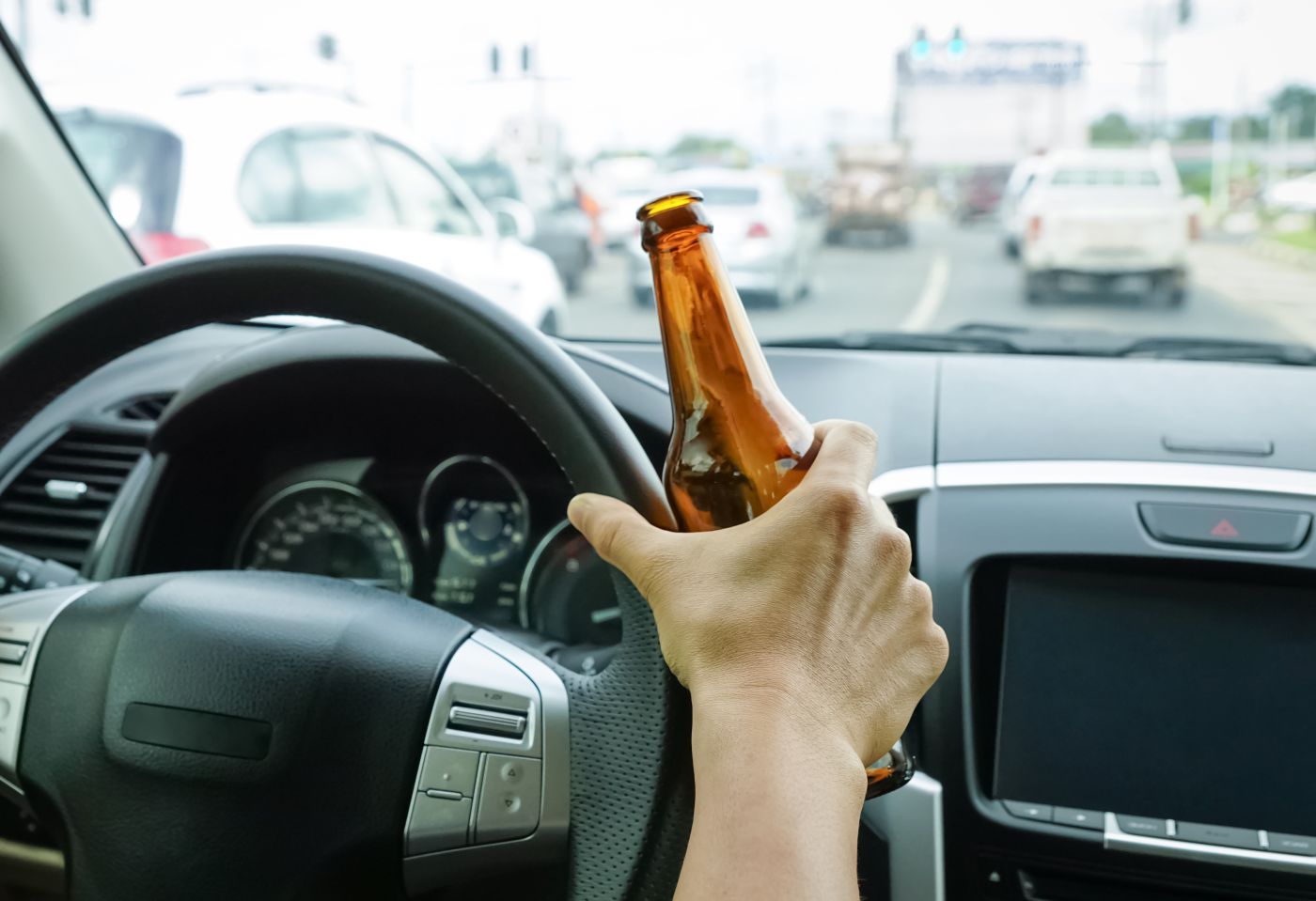
Facing a DUI or OWI charge can be overwhelming. We know that anxiety, uncertainty, and potential consequences can weigh heavily on anyone. Many people feel stressed about their future, worrying about possible jail time, fines, or the effect a conviction might have on their career and personal life.
These situations can feel isolating, and that’s why having knowledgeable guidance is crucial. Every piece of evidence in your case can play a significant role in how it’s resolved, and having an experienced DUI lawyer by your side can make all the difference.
At The Nice Law Firm, we help clients across Indianapolis, Terre Haute, Kokomo, Martinsville, Lebanon, Greensburg, Scottsburg, and Mount Vernon, Indiana. Our focus is on helping individuals understand how evidence is used in DUI/OWI cases and how that evidence can impact outcomes. Reach out to us today to discuss your case with a trusted DUI lawyer.
When a person is charged with DUI or OWI, law enforcement and prosecutors may present multiple types of evidence. Each piece of evidence carries weight, and understanding its implications can help a DUI lawyer build a strong defense.
Breath test results: Breathalyzers measure blood alcohol content (BAC) and are commonly used in DUI cases. However, these devices aren’t flawless and can be affected by calibration issues or improper use.
Blood test results: Blood tests often provide a more precise BAC reading than breath tests. Still, timing, storage, and lab procedures can influence results.
Field sobriety tests: Tests like the walk-and-turn or one-leg stand can indicate impairment. Performance can be impacted by physical conditions, fatigue, or nervousness.
Dashcam and bodycam footage: Videos captured by officers may show the traffic stop and interactions. These recordings can reveal inconsistencies or questionable procedures.
Witness statements: Observations from passengers, bystanders, or other drivers can provide context for the situation.
Officer reports: Written reports summarize what law enforcement observed. They may include subjective judgments about behavior, speech, or coordination.
Each type of evidence carries unique challenges and advantages. A DUI lawyer can analyze the details, highlight inconsistencies, and use them to effectively advocate for their client.
The strength and credibility of evidence can dramatically affect a case. Not all evidence holds equal weight in court, and poor-quality or improperly collected evidence can sometimes lead to reduced charges or even dismissal.
Accuracy issues: Breathalyzers and blood tests are only as accurate as the equipment and procedures allow. Calibration errors or lab mistakes can compromise results.
Documentation errors: Mistakes in officer reports or lab paperwork can raise questions about evidence validity.
Chain of custody problems: Evidence must be handled correctly from collection to presentation. Any lapses in this chain can weaken its credibility.
Contradictory evidence: Discrepancies between witness statements, video footage, or test results can create doubt.
We’ve seen firsthand how a skilled DUI lawyer can dissect evidence quality and use minor errors to a client’s advantage, turning what seems like a strong case for the prosecution into a more defensible position.
Challenging evidence is often crucial in DUI/OWI cases. Our approach is focused on identifying weaknesses in the evidence and presenting arguments that support our client’s defense.
Questioning testing accuracy: Testing equipment can malfunction, and human error can affect readings. A DUI lawyer can investigate calibration records, maintenance logs, and test procedures.
Analyzing officer conduct: Officers must follow proper protocol during stops, tests, and arrests. Deviations from standard procedures can provide grounds to challenge evidence.
Investigating timing issues: BAC levels change over time. Delays between driving and testing can alter results significantly.
Cross-examining witnesses: Witness credibility and memory accuracy can be challenged to highlight inconsistencies.
These strategies aren’t guarantees, but they show the ways an experienced attorney works to protect clients’ rights and potentially reduce or dismiss charges.
Having a DUI lawyer is about more than just attending court dates—it’s about guiding clients through the process and using evidence effectively. Our lawyers focus on every detail of a case to build a defense tailored to the client’s circumstances.
Assessing case strength: We review all evidence and identify strengths and weaknesses to determine the best approach.
Communicating with clients: Understanding the evidence and options is vital. We explain how each piece can affect outcomes.
Preparing for court: From filing motions to preparing witnesses, a DUI lawyer handles procedural steps that can influence results.
Negotiating with prosecutors: When appropriate, we can discuss plea options, alternative sentencing, or reductions based on evidence issues.
With our guidance, clients can approach their DUI/OWI cases with confidence, knowing they have a lawyer committed to analyzing every piece of evidence carefully.
Missteps during a DUI case can impact the outcome even when the evidence is weak. Recognizing these mistakes early helps clients avoid compounding their legal challenges.
Refusing legal representation: Attempting to handle a DUI charge alone can result in missed opportunities to challenge evidence.
Failing to document: Not keeping personal notes about the incident or witnesses can reduce credibility.
Making statements to police without counsel: Anything said can be used in court, so having a DUI lawyer present during questioning is critical.
Ignoring court deadlines: Missing hearings or filing deadlines can negatively affect outcomes.
By avoiding these errors and working with an experienced attorney, clients strengthen their position and maximize opportunities to challenge evidence effectively.
Defenses often depend on the specific evidence presented. Knowing which approach to take can affect how a case unfolds in court.
Challenging test reliability: Showing that breath or blood tests were improperly conducted or inaccurate.
Disputing officer observations: Questioning whether physical signs of impairment were misinterpreted.
Questioning arrest procedures: Identifying violations of legal procedures during the traffic stop or arrest.
Relying on witness accounts: Presenting testimonies that contradict official reports or reinforce the client’s story.
Each defense strategy ties directly to evidence, and having a skilled DUI lawyer helps make sure every angle is explored.
Clients often overlook the importance of keeping personal records. Documentation can be a powerful tool when reviewed by a DUI lawyer.
Write down events: Immediately recording details about the stop, interactions, and timing can aid memory and credibility.
Collect witness information: Names, contact details, and statements from anyone present can be valuable.
Keep medical records: Injuries or conditions that affect sobriety tests should be documented.
Preserve video or photos: Dashcam or personal recordings can support a defense.
Proper documentation provides a DUI lawyer with additional insights, helping to highlight inconsistencies and strengthen defenses.
How evidence is presented in court can determine a case’s outcome. A DUI lawyer’s experience in courtroom strategies can shape how juries and judges perceive evidence.
Effective cross-examination: Highlighting inconsistencies in officer testimony or witness statements.
Expert testimony: Bringing in professionals to challenge technical aspects of testing or interpretation.
Motion filings: Requesting suppression of evidence due to procedural errors or legal violations.
Evidence analysis: Presenting clear, organized information for the judge and jury to consider.
These courtroom approaches emphasize that evidence isn’t just collected—it’s presented, interpreted, and scrutinized. An experienced attorney makes sure it’s used effectively to protect clients’ rights.
DUI convictions have long-lasting effects beyond fines or jail time. Evidence quality can influence outcomes that affect a person’s life for years.
License consequences: High-quality evidence can lead to harsher penalties like license suspension.
Insurance rates: A conviction can spike premiums, especially if evidence strongly supports the charge.
Employment opportunities: Certain professions require clean driving records, and evidence impacts job prospects.
Criminal record: Evidence affects plea negotiations and sentencing, shaping a client’s record permanently.
A DUI lawyer focuses on minimizing these long-term consequences by closely analyzing every detail of the evidence.
Facing a DUI/OWI charge in Indiana is stressful, but having the right guidance can make a significant difference. At The Nice Law Firm, we help clients in Indianapolis, Terre Haute, Kokomo, Martinsville, Lebanon, Greensburg, Scottsburg, and Mount Vernon understand how evidence impacts their cases.
With the guidance of a DUI lawyer, you’ll have support in examining every piece of evidence and building the strongest possible defense. Reach out to us today and let us help you protect your rights and future. Don’t face this challenge alone—contact a DUI lawyer who can advocate effectively on your behalf.