
Real Estate Partition Actions: Forcing the Sale When Co-Owners Refuse to Buy You Out
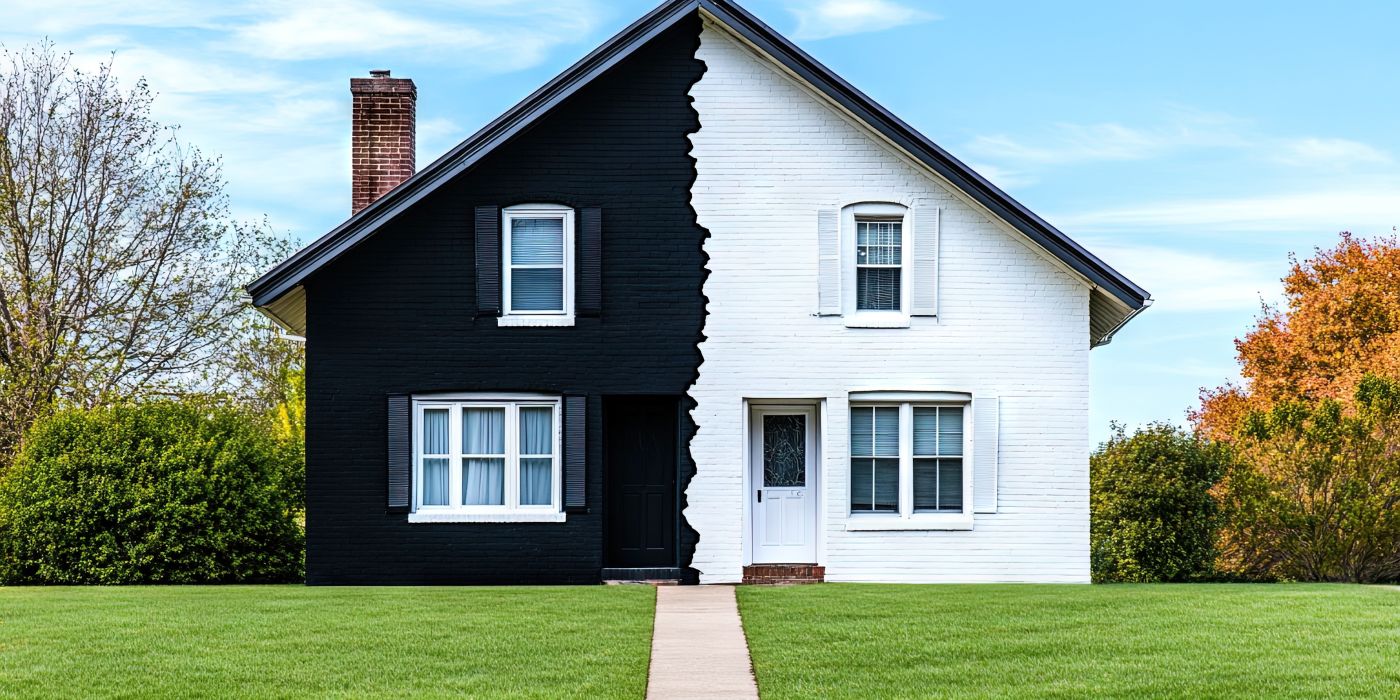
Owning property with someone else doesn’t always go as planned. What might have started as a shared investment, inheritance, or partnership can turn into a frustrating situation when co-owners no longer agree. If you’re ready to move on but the other party refuses to sell or buy you out, you could feel stuck with no clear path forward.
This kind of dispute can create financial strain, emotional tension, and ongoing uncertainty about your rights. At The Nice Law Firm, with offices in Indianapolis, Scottsburg, Terre Haute, Kokomo, Martinsville, Winamac, Lebanon, Greensburg, and Rensselaer, Indiana, we help individuals facing difficult real estate disputes take practical steps toward resolution.
Whether you’re dealing with a co-owner who won’t cooperate or you’re unsure of your legal options, we work with you to pursue a fair outcome. Reach out to us today to discuss your situation and explore your options.
Co-owning real estate can work well when everyone shares the same goals. However, disagreements often arise over time. One owner might want to sell while another prefers to keep the property. Others might disagree about maintenance, expenses, or how the property should be used.
These conflicts can become especially difficult when there’s no written agreement outlining how decisions should be made. Without a clear plan, even minor disagreements can escalate into larger disputes.
In many cases, one co-owner might want to cash out their share of the real estate investment but can’t do so without the others' cooperation. When that cooperation doesn’t happen, legal action could be the only way to move forward.
A partition action is a legal process that allows a co-owner of real estate to request the division or sale of jointly owned property. This type of case is often used when co-owners can’t agree on what to do with the property.
There are generally two types of partition actions:
Partition in kind: This involves physically dividing the property among the owners. It’s more common with land that can be split into separate parcels.
Partition by sale: This is the more common option for residential real estate. The property is sold, and the proceeds are divided among the co-owners based on their ownership interests.
In most real estate disputes involving a single home or building, a partition by sale is the most practical solution. Courts often favor this approach when dividing the property physically isn’t realistic.
We help clients determine whether a partition action is appropriate for their situation and guide them through each step of the process.
Filing a partition action involves several legal steps, and knowing what to expect can help you feel more prepared as the process moves forward.
Filing the complaint: The process begins when you file a legal complaint requesting a partition of the real estate property.
Notifying co-owners: All other owners must be formally notified of the action and given an opportunity to respond.
Court evaluation: The court reviews the ownership interests and determines whether partition is appropriate.
Appointment of a commissioner: In some cases, the court will appoint a third party to oversee the sale or division of the property.
Sale of the property: If the court orders a sale, the real estate is typically sold, and the proceeds are distributed accordingly.
While the process can take time, each step moves you closer to resolving the dispute and accessing your share of the property’s value.
Partition actions can come with challenges, particularly when co-owners strongly disagree or attempt to delay the process. Being aware of potential obstacles can help you better prepare for what lies ahead.
Disputes over ownership percentages: Co-owners disagree about how much of the real estate each person owns, especially if contributions weren’t clearly documented.
Delays caused by non-cooperative parties: One or more owners try to stall the process, which can extend the timeline.
Disagreements about property value: Determining the fair market value of real estate can lead to conflict, especially if parties have different expectations.
Costs associated with the action: Legal fees, court costs, and other expenses arise during the process.
Emotional conflicts: Many partition cases involve family members or former partners, which can add tension to an already difficult situation.
Despite these challenges, a partition action remains one of the most effective ways to resolve disputes when co-owners can’t reach an agreement.
Taking legal action involving real estate can feel overwhelming, especially if you’re unfamiliar with the process. That’s where guidance from an experienced real estate lawyer can make a meaningful difference. With the right approach, you can move toward a resolution that allows you to access your share of the property and move on.
Real estate disputes between co-owners can feel frustrating. When communication breaks down and no agreement can be reached, it’s important to know that you still have options. A partition action can provide a clear path toward resolution and help you move forward with your financial goals.
At The Nice Law Firm, we assist individuals throughout Indiana, including Indianapolis, Scottsburg, Terre Haute, Kokomo, Martinsville, Lebanon, Greensburg, Rensselaer, and Winamac, who are dealing with real estate disputes and need a way forward. If you’re ready to take the next step, reach out to our real estate attorneys today, and let’s talk about how we can help.