
Personal Injury Inside Active Divorce: Protecting the Settlement from Being Split as Marital Property
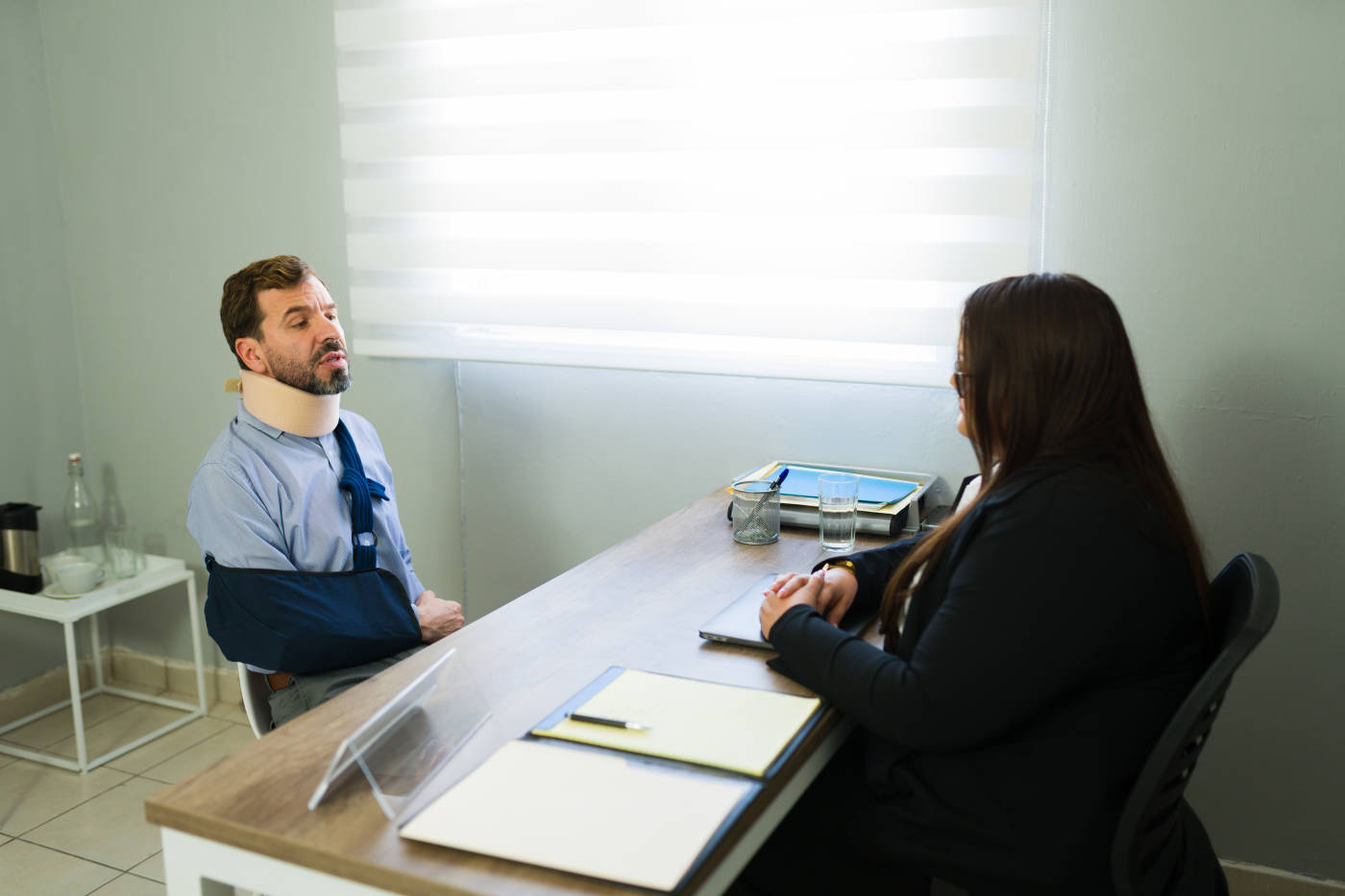
Going through a divorce is already one of the most emotionally and financially draining experiences you can face. When a personal injury claim comes into play at the same time, things can feel even more overwhelming. You may be dealing with medical bills, lost income, and physical recovery, all while trying to sort out how your assets will be divided.
It’s completely natural to worry about whether your injury settlement could be treated as marital property and split between you and your spouse. These concerns can leave you feeling uncertain about your financial future and about what steps to take next.
At The Nice Law Firm, with offices in Indianapolis, Scottsburg, Terre Haute, Kokomo, Martinsville, Lebanon, Greensburg, and Rensselaer, Indiana, we help individuals who are facing both divorce and personal injury claims at the same time.
We work with you to examine how to classify your injury compensation and how to protect it. With guidance from an experienced lawyer, you can take steps to safeguard what you’ve recovered. Reach out to us to discuss your situation and learn how we can help.
When a personal injury claim overlaps with a divorce, one of the most important questions is whether the settlement is considered marital property or separate property. The answer often depends on what the settlement is intended to compensate.
Courts typically break down a personal injury award into different components. Some parts will be viewed as belonging to you individually, while others could be considered shared marital assets. This distinction matters because it affects how the settlement is divided during the divorce process.
For example, compensation for physical pain and suffering is often treated differently from compensation for lost wages.
Lost wages will be viewed as replacing income that would have supported the household, which could make that portion subject to division. On the other hand, damages directly tied to your personal suffering will be treated separately.
Because these distinctions can have a major impact on your financial outcome, a strong personal injury strategy should always take your divorce into account. We help clients evaluate how each part of a settlement will be classified and what that means for their case.
Several factors can affect whether your personal injury settlement is divided during a divorce. The courts consider the purpose of the compensation and its relation to the marriage.
Some of the most important factors include:
Type of damages awarded: Compensation for medical bills, lost wages, and pain and suffering will be treated differently.
Timing of the injury: Injuries that occur during the marriage are more likely to be considered part of the marital estate.
Use of settlement funds: If funds are mixed with joint accounts or used for shared expenses, they’ll be treated as marital property.
State-specific laws: Indiana law influences how courts classify and divide assets.
Documentation and structure of the settlement: Clear allocation of damages can affect how the court views each portion.
Each of these factors plays a role in how your personal injury compensation is handled. By addressing these issues early, we help clients position themselves for a more favorable outcome.
If you’re concerned about your personal injury settlement being divided in a divorce, there are steps you can take to protect it. Taking action early can make a significant difference in how the court views your compensation.
Some effective strategies include:
Separating funds: Keeping settlement proceeds in a separate account can help show they aren’t marital property.
Documenting allocations: Clearly identifying what portion of the settlement is for pain and suffering versus lost wages can strengthen your position.
Avoiding commingling: Mixing settlement funds with joint accounts can make it harder to argue that the funds are separate.
Coordinating legal strategies: Aligning your divorce and personal injury approaches can help protect your interests.
Seeking legal guidance early: Working with an experienced lawyer allows you to address potential issues before they arise.
These strategies can help preserve the portion of your personal injury settlement that belongs to you. We work closely with clients to apply these approaches in ways that support their overall legal goals.
Even with the best intentions, certain actions can make it more difficult to protect your personal injury compensation during a divorce. Avoiding these mistakes is just as important as taking proactive steps.
Some common pitfalls include:
Depositing funds into joint accounts: This can blur the line between separate and marital property.
Failing to document damages: Without clear records, it’ll be harder to show how the settlement should be divided.
Delaying legal advice: Waiting too long to seek guidance can limit your options.
Using funds for shared expenses: Spending settlement money on marital costs can affect how it’s classified.
Overlooking coordination between cases: Treating your divorce and personal injury claim as separate issues can lead to unintended consequences.
Avoiding these mistakes can strengthen your position and protect your financial recovery. We help clients recognize potential risks and take steps to address them before they become problems.
Facing a personal injury claim while going through a divorce can feel overwhelming, but you don’t have to handle it alone. By taking the right steps and seeking guidance early, you can protect your financial recovery and move forward with greater confidence.
At The Nice Law Firm, serving clients in Indianapolis, Scottsburg, Terre Haute, Kokomo, Martinsville, Lebanon, Greensburg, and Rensselaer, Indiana, we help individuals navigate the challenges of overlapping legal matters.
We work with you to evaluate your personal injury settlement, identify risks, and develop strategies that protect your interests during divorce proceedings. If you’re facing both a divorce and a personal injury claim, now is the time to take action. Contact us today to discuss your situation and learn how we can help you protect what matters most.